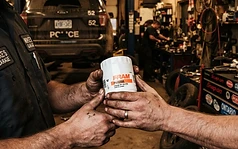
Under The Hood: Why Your Ford Police Interceptor Utility Is Failing On The Inland Empire Streets
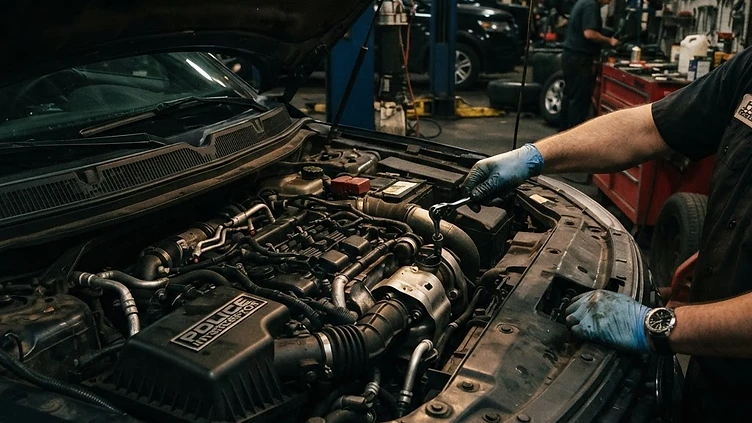
Is your fleet rig losing power on the I-10 or overheating during a long shift in the Inland Empire heat? We break down the most common maintenance pitfalls hitting Ford Police Interceptor Utilities and how to keep your cruiser on the road longer.
Ontario, CA — The heat in the Inland Empire doesn't just affect the people; it eats engines for breakfast. Out here on the asphalt arteries connecting Ontario to San Bernardino, the Ford Police Interceptor Utility (PIU) has become the undisputed workhorse of public safety. But these aren't your average grocery-getters. They are pushed to the limit, idling for hours in triple-digit heat, chasing down suspects, and navigating the gridlock of the 10 and the 60. At Crown Vic Guys, we see them roll into our shop every single day, often limping in with symptoms that are entirely preventable if you know where to look. ## The Silent Killer: Cooling System Fatigue If there is one thing that haunts the Ford PIU in Southern California, it is the cooling system. Most fleet managers see a puddle of coolant under the front bumper and assume it is just a loose hose. More often than not, it is a sign that the water pump or the radiator is nearing the end of its service life. The PIU utilizes the 3.7L V6 or the infamous 3.5L EcoBoost, both of which generate massive amounts of heat. When the cooling system fails, it doesn't just stall the car; it can lead to catastrophic head gasket failure or warped cylinder heads that turn your fleet asset into a very expensive lawn ornament. We cannot stress this enough: check your coolant levels weekly. Don't wait for the temperature gauge to spike. By the time that needle moves into the red on a hot day in Ontario, the damage is already done. We recommend a proactive flush and inspection of the cooling fans and water pump every 30,000 miles, specifically for fleet vehicles that spend most of their lives in stop-and-go traffic. ## Carbon Buildup and EcoBoost Performance Issues For the agencies and private security firms running the EcoBoost variants, carbon buildup on the intake valves is a recurring nightmare. Because these engines use Direct Injection (GDI), fuel is sprayed directly into the combustion chamber rather than cleaning the intake valves as it passes by. Over time, this leads to a buildup of carbon deposits that chokes the engine, causing rough idles, hesitation under acceleration, and a significant drop in fuel economy. "You think you're losing transmission gears, but really, the engine is just starving for air because the valves are caked in gunk from all that idling," says one Mission Boulevard technician who has seen his fair share of high-mileage cruisers. Ignoring this issue won't just make the car sluggish; it leads to misfires that can eventually destroy your catalytic converters, turning a standard maintenance job into a four-figure repair bill. ## Common Wear Items to Watch Beyond the engine, the PIU is subject to heavy-duty wear that civilian models rarely face. Because of the weight of the equipment, the constant high-speed maneuvers, and the sheer volume of hours logged, these vehicles require a specialized maintenance cadence. Keep an eye on these specific failure points: * Rear Differential Pinion Seals: These are notorious for leaking, and if they run dry, you are looking at a total rear-end rebuild. * Front End Suspension Bushings: The weight of the push-bars and additional electronics puts immense strain on the control arms. * PTU (Power Transfer Unit) Fluid: This is the most overlooked maintenance item on AWD models; if that fluid isn't changed regularly, the unit will seize up. * Brake Caliper Pins: The extreme heat generated by police-grade stopping power causes these pins to seize, leading to uneven pad wear. ## Managing Your Fleet Lifecycle At the end of the day, a Ford PIU is a tool. Like any tool, it needs to be maintained to perform. Whether you are running a single undercover unit or a massive municipal fleet, the Inland Empire environment is unforgiving. Taking a reactive approach—waiting for the check engine light to come on before you seek help—is the fastest way to lose money and reliability. The key is finding a shop that understands the specific nuances of the fleet-spec Ford platform and respects the demands put on these vehicles. If your fleet vehicle is showing signs of distress, do not let it reach the point of total failure. Book your diagnostic appointment today at crownvicguys.com/book and let our expert team get your cruiser back in fighting shape. This story is brought to you by Crown Vic Guys — Ontario's specialists for Ford Crown Victoria, Police Interceptor, and Ford fleet service.
Crown Vic Guys
Ontario's specialists for Crown Victoria, Police Interceptor, and Ford fleet service. Real wrenches. Real hands.