Stop Wasting Money: The Truth About Oil Change Intervals for Inland Empire Fleets
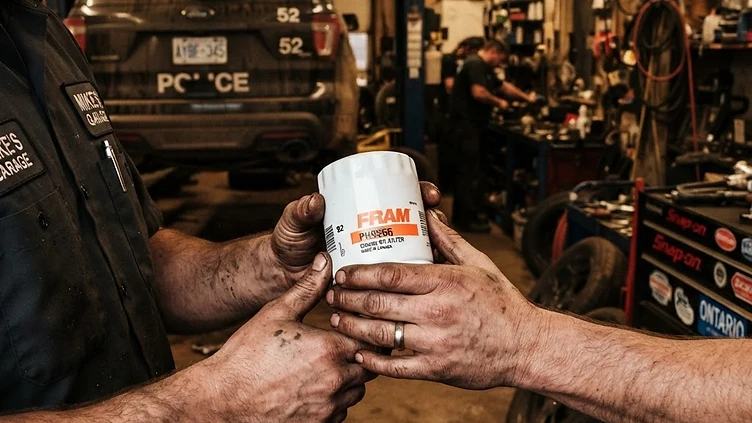
Are you still changing your fleet's oil every 3,000 miles? You might be throwing money away. We break down why synthetic oil and smart scheduling are the keys to keeping your Ford fleet running longer in the Inland Empire heat.
Ontario, CA — If you are still operating under the old-school mantra of changing your oil every 3,000 miles, you are likely burning through your maintenance budget faster than a patrol car burns through tires on a hot summer day in the Inland Empire. Here at the shop, we see it all the time: fleet managers and local business owners pulling in, convinced that their Ford Crown Victorias or modern Police Interceptors need a fresh drain every few weeks. The reality? You are likely over-servicing your vehicles and missing out on the performance benefits of modern synthetic technology. ## The Synthetic Shift for Fleet Duty In the world of fleet service, "severe duty" is the standard. Between the stop-and-go traffic on the 10 freeway, extended idling during stakeouts, and the brutal heat we deal with here in Ontario, your engine oil takes a beating. Conventional oil just doesn't cut it anymore. Full synthetic oil is engineered with a uniform molecular structure that resists thermal breakdown far better than conventional blends. When you are running a fleet, that stability is the difference between a healthy engine and one plagued by sludge and deposits. While Ford’s general recommendations often hover around 7,500 miles for standard driving, fleet vehicles require a more nuanced approach. By switching to high-quality full synthetic, many fleets are safely extending their intervals to 7,500 or even 10,000 miles, depending on the specific engine and duty cycle. ## Why "Severe Service" Matters It is important to remember that manufacturers publish two maintenance schedules for a reason. If your vehicles are used for delivery, patrol, or heavy commercial work, you are officially in the "severe service" category. This doesn't necessarily mean you need to change the oil every 3,000 miles, but it does mean you need to be smarter about your monitoring. Here is what you should be tracking to optimize your service: * Engine idle hours (often more important than mileage for patrol units). * Oil analysis reports (the only way to know exactly when your oil is breaking down). * Driving environment (extreme heat and heavy traffic accelerate oil degradation). * Filter quality (a high-quality filter is just as critical as the oil itself). "I’ve got guys coming in from the department who think if they aren't changing the oil every month, they're killing the engine, but with the right synthetic and a proper filter, we're seeing these motors stay clean way past the old-school limits," says one veteran Mission Boulevard technician. ## Data-Driven Maintenance The best way to stop guessing is to start testing. If you manage a fleet, consider pulling an oil sample from a few representative vehicles at the end of your current interval. An oil analysis will tell you exactly how much life is left in the lubricant and whether you are dealing with fuel dilution or coolant contamination. It is the most cost-effective way to ensure you aren't throwing away good oil while simultaneously protecting your fleet from premature wear. Don't let outdated myths dictate your maintenance budget. Whether you are running a single work truck or a full fleet of Interceptors, we can help you dial in the right schedule for your specific needs. Ready to optimize your fleet's maintenance and stop overspending? Visit our shop or head over to our website at /book to schedule your next service. This story is brought to you by Crown Vic Guys — Ontario's specialists for Crown Victoria, Police Interceptor, and Ford fleet service.
Crown Vic Guys
Ontario's specialists for Crown Victoria, Police Interceptor, and Ford fleet service. Real wrenches. Real hands.