Common Problems on the 2018 Ford Police Interceptor Utility
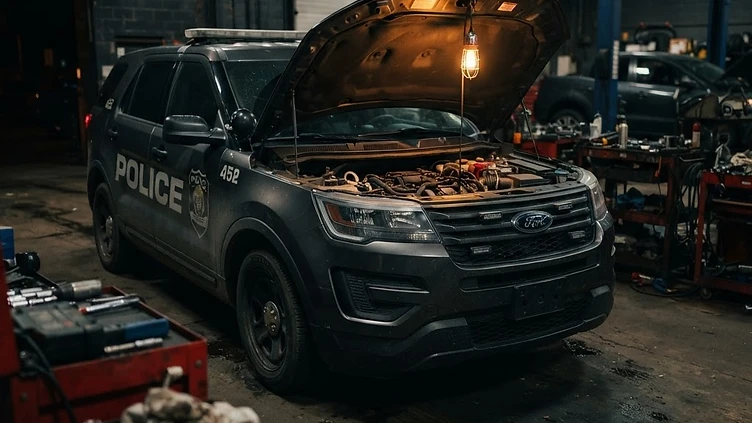
A Tough Truck With A Hidden Past
The 2018 Ford Police Interceptor Utility is a durable law-enforcement vehicle built on the Ford Explorer platform. But retired police cars carry something a civilian SUV never does: thousands of engine-idle hours that aren't reflected on the odometer.
Anyone buying or maintaining a used Police Interceptor Utility should inspect the cooling system, engine-oil system, all-wheel-drive components, and emissions equipment carefully. Below are the problems owners and fleet mechanics most commonly encounter as these vehicles accumulate mileage and operating hours.
1. Thermostat Problems
A thermostat that sticks closed prevents coolant from circulating, causing overheating. One stuck open keeps the engine from reaching operating temperature.
Watch for:
- Engine temperature rising above normal
- Temperature gauge moving unpredictably
- Weak cabin heat
- Cooling fans running excessively
- Check-engine light and code P0128
- Reduced fuel economy
A thermostat-related overheat should be diagnosed promptly. Driving an overheating engine can damage cylinder heads, head gaskets, catalytic converters, and other expensive components.
2. Internal Water-Pump Failure
This is one of the most serious concerns on the naturally aspirated 3.7L V6 and 3.5L EcoBoost engines. The water pump is mounted inside the engine and driven by the timing chain — so replacement is far more labor than a conventional external pump.
A failing pump may first leak coolant through its external drain passage. In a worse failure, coolant enters the engine and mixes with the oil — and coolant-contaminated oil destroys bearings fast.
Warning signs:
- Coolant level repeatedly dropping
- Coolant leaking near the alternator or lower engine
- Overheating
- Sweet coolant odor
- Milky or unusually light-colored oil
- Rising engine-oil level
- Timing-chain noise
- White exhaust smoke in severe cases
Check the coolant reservoir and engine oil regularly. An unexplained loss of coolant should never be ignored, even if the vehicle isn't overheating yet.
3. Oil-Pressure Sensor or Switch Problems
A defective oil-pressure sensor can trigger a warning even when oil level is correct. The switch can also leak oil through its housing or electrical connection.
Symptoms:
- Low-oil-pressure warning
- Oil light flickering at idle, disappearing off-idle
- Oil around the sensor or connector
- Erratic readings, oil leaking down the engine
Don't automatically blame the sensor. Real low oil pressure can come from low oil, an internal leak, a restricted pickup, bearing wear, or an oil-pump fault. Mechanical oil pressure should be tested before continuing to drive.
4. Power Transfer Unit (PTU) Problems
AWD models use a Power Transfer Unit to send power to the rear wheels. Patrol operation, prolonged idling, heat, and aggressive driving stress the fluid and internals.
Signs of a PTU problem:
- Dark or burnt-smelling PTU fluid
- Fluid leaking underneath
- Burning odor after driving
- Gear-oil smell entering the cabin
- Grinding, whining, or growling noises
- Vibration or binding while turning
- Loss of AWD operation / AWD warning messages
Ford notes severe-duty operation can require PTU fluid service. A used police vehicle should have the PTU inspected for leaks, fluid condition, bearing noise, and excessive movement. Waiting until it grinds turns a fluid service or seal repair into a full unit replacement.
5. EVAP Purge-Valve Failure
The purge valve controls fuel-vapor flow from the charcoal canister into the engine. If it sticks open, excess vapor enters the intake and causes drivability issues — especially after refueling.
Typical symptoms:
- Extended cranking after filling the tank
- Rough idle after refueling
- Stalling, hard starting
- Check-engine light, reduced economy
- Fuel-vapor odor, EVAP codes
A bad purge valve is usually cheap to fix, but similar symptoms can come from damaged vapor lines, a leaking canister, wiring, or another EVAP fault. Test the codes and system before throwing parts at it.
6. Engine-Oil Cooler & Filter-Adapter Leaks
Check the oil-cooler and filter-adapter area for oil or coolant leakage. Seals, gaskets, hoses, and fittings deteriorate with age, heat, mileage, and long idle hours.
Symptoms:
- Oil collecting around the filter housing
- Oil dripping onto the engine or exhaust
- Burning-oil smell
- Coolant loss, puddles underneath
- Low oil level / oil-pressure warning in severe cases
Clean and confirm the source before replacing parts — oil from a higher leak can travel across the engine and make the cooler look guilty.
7. Radiator & Cooling-System Leaks
Radiators leak from damaged fins, cracked plastic end tanks, deteriorated seals, or corroded connections. Police vehicles also spend significant time idling with the A/C on — continuous demand on the radiator and fans.
Symptoms:
- Coolant under the front of the vehicle
- Coolant residue around the radiator
- Low coolant level, overheating at idle
- Fans running at high speed
- Weak A/C while stopped
- Sweet odor from the engine compartment
Inspect the radiator along with fans, hoses, reservoir, pressure cap, thermostat housing, water pump, and oil-cooler connections. A cooling-system pressure test finds leaks that hide when the engine is cold.
8. A/C Compressor Solenoid & Control-Valve Problems
Some 2018 PIUs develop failure of the A/C compressor control solenoid (compressor control valve), which regulates refrigerant flow and compressor output.
When the solenoid sticks or fails electrically, the compressor may appear to run while producing little or no cold air. Cooling may work intermittently or improve when the vehicle is moving.
Symptoms:
- A/C blowing warm air
- Cold air becoming warm intermittently
- A/C working better at higher engine speeds
- Cooling improving while driving but weakening at idle
- Unstable refrigerant-pressure readings
- Compressor powered but not producing adequate pressure
- Cooling returning temporarily after a restart
These are often mistaken for a bad compressor or low refrigerant. Before replacing the whole compressor, check refrigerant charge, high/low-side pressures, cooling fans, electrical circuits, pressure sensors, and the control-solenoid itself. If the compressor is mechanically sound and the system is clean, replacing the control valve can fix it at far lower cost. Metal contamination or a seized compressor, though, means more extensive repairs.
Other A/C concerns on retired units: condenser leaks, refrigerant leaks, failed cooling fans, pressure-sensor faults, blend-door actuator problems, and damaged wiring from removed police equipment.
Police Idle Hours Matter
A retired Police Interceptor may show moderate mileage but carry thousands of engine-idle hours. While idling doesn't move the odometer, the engine, water pump, cooling fans, alternator, and A/C system keep running.
Before you buy, check the cluster for idle hours and total engine hours. Service records, fluid condition, cold-start behavior, cooling-system pressure, and a diagnostic scan reveal more than mileage alone.
Recommended Pre-Purchase Inspection
Before buying a 2018 Ford Police Interceptor Utility, have a qualified technician:
- Scan every module for current and stored trouble codes
- Check engine oil for coolant contamination
- Pressure-test the cooling system
- Inspect the water-pump drain area
- Verify actual oil pressure if a warning is present
- Inspect the oil cooler and filter-adapter area
- Examine the radiator, fans, hoses, and thermostat housing
- Inspect the PTU for leakage, odor, noise, and fluid condition
- Test the purge valve and EVAP system
- Review engine hours and idle hours
- Confirm all applicable recalls and service campaigns were completed
Final Thoughts
The 2018 Ford Police Interceptor Utility can still be a dependable patrol, security, fleet, or personal vehicle when properly maintained. Its previous police use, though, makes a detailed inspection especially important.
Coolant loss, overheating, oil-pressure warnings, PTU noise, or hard starting after refueling should be investigated immediately. Catching these early keeps a manageable repair from becoming an engine, transmission, or AWD replacement.
This article provides general educational information. Vehicle configuration and repair procedures vary by engine, drivetrain, production date, and VIN. A qualified technician should confirm the cause before repairs are authorized. Want a real set of eyes on your Utility? Book a service and put our hands on it.